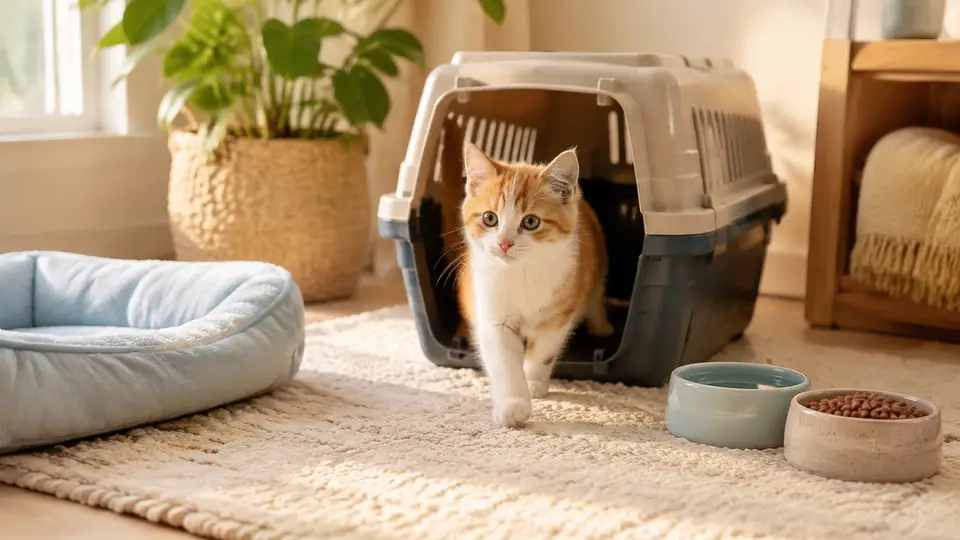
New Cat Owner Checklist: Everything You Need for Your Feline Friend
Bringing a new cat home is an exciting adventure, but it also comes with significant responsibility. First-time cat owners often feel overwhelmed by the sheer number of products and decisions required. However, with proper preparation, you can create a safe, comfortable home that meets all your cat's physical and psychological needs. This comprehensive checklist covers the essential items every new cat owner must have before bringing their feline friend home.
Litter Box Essentials: The Foundation of Success
A litter box is non-negotiable for indoor cats, but most people underestimate how important the setup is. Veterinarians recommend one litter box per cat, plus one extra. So a household with two cats should have three litter boxes. Litter boxes should be placed in quiet, low-traffic areas away from food and water bowls, as cats naturally want privacy for elimination.
You'll need to choose between several litter box types: traditional uncovered boxes, covered litter boxes, automatic self-cleaning boxes, and top-entry boxes. Most experts recommend traditional uncovered boxes because they offer less confinement and allow cats to escape easily if frightened. Boxes should be large enough for your cat to turn around comfortably; a common mistake is buying boxes too small for adult cats.
Litter choices range from traditional clay to natural options like pine, corn, and paper-based litter. Clay litter is inexpensive and works well for most cats, though some create dust clouds that can irritate respiratory systems. Natural litters are eco-friendly, create less dust, and are biodegradable. Unscented litter is often better than heavily scented options, which can be overpowering to cats. Scoop the litter box daily and perform a full litter change weekly to keep your home fresh and encourage consistent use.
- Large litter box or boxes (at least one per cat plus one extra)
- Quality litter (test different types to find what your cat prefers)
- Litter scoop for daily maintenance
- Litter mat or rug to catch tracking
- Optional: air purifier designed for litter box odor
Recommended Litter Products


Food and Water Bowls: Supporting Hydration and Nutrition
Choose sturdy, weighted food and water bowls that won't tip easily. Ceramic, stainless steel, or glass bowls are better than plastic, which can develop scratches that harbor bacteria and sometimes cause chin acne in cats. Place food and water bowls in different locations from the litter box, as cats prefer to eat and drink away from their toilet area.
Consider investing in a cat water fountain. Many cats prefer running water because in the wild, moving water is fresher and safer than standing water. A fountain can help increase your cat's water intake, reducing the risk of kidney disease and urinary tract issues. Fountains should be cleaned and refilled every 2-3 days to prevent bacterial growth and mold.
Toys and Enrichment: Mental Stimulation Matters
Indoor cats need mental and physical stimulation to prevent boredom, obesity, and behavioral problems. Toys should appeal to cats' natural hunting instincts. Interactive toys like feather wands engage your cat in active play and strengthen your bond. Puzzle feeders and treat-dispensing toys make eating an engaging activity rather than a passive consumption.
Rotate toys weekly to maintain novelty and interest. Catnip toys work for many cats but not all; roughly 70% of cats respond to catnip, while others show more interest in silvervine or valerian. Provide a variety of textures: crinkly toys, balls with bells, mice toys, and tunnels all appeal to different play preferences. Wand toys with feathers or fabric require supervision but provide the best interactive play opportunities.
Interactive Toy Recommendations


Puzzle Feeder Options

Cat Carrier: Essential for Vet Visits and Travel
A comfortable, secure carrier is crucial for safely transporting your cat to veterinary appointments, grooming sessions, and any necessary travel. Cats often fear car rides, so a secure carrier prevents escape and reduces stress from unexpected stops or accidents. Hard-sided carriers (airline-approved style) offer better protection in car accidents than soft-sided options. Look for carriers with good ventilation, secure latches, and enough space for your cat to turn around.
Make the carrier a positive space by leaving it out year-round with treats and toys inside. Practice short trips in the car to acclimate your cat before emergency situations. Never use the carrier only for vet visits, as this creates anxiety associations. Some carriers can be fully disassembled for easier loading of anxious cats or senior cats with mobility issues.
Scratching Posts and Vertical Territory
Scratching is a natural, necessary behavior that prevents behavioral problems and protects furniture. Provide multiple scratching surfaces in different locations: some cats prefer tall vertical posts, while others prefer horizontal scratchers or angled pads. Scratching posts should be stable enough that they don't wobble when your cat scratches; unstable posts are quickly abandoned.
Cat trees with multiple levels and perches serve double duty by providing scratching surfaces and vertical territory where cats feel safe and in control. Vertical space is incredibly important for cats, as it allows them to observe their territory from above and retreat to safety when stressed. A multi-level cat tree in a main living area is an excellent investment.
Furniture & Scratching Options


Bedding and Comfort Items
Provide comfortable beds in various locations throughout your home. Cats love soft, warm spots for napping, and they'll appreciate quality cat beds, though many cats are equally happy in a cardboard box. Window perches give cats entertainment through bird watching. Blankets and rugs provide security and comfort, especially for nervous cats. Some cats prefer enclosed spaces like tunnels or enclosed cat beds, while others enjoy open beds with good sightlines.
Grooming Supplies
Even short-haired cats benefit from regular brushing, which removes loose hair, prevents matting, and helps you spot skin issues early. Long-haired cats require daily brushing to prevent painful mats. Nail clippers are essential: trim nails every 2-3 weeks to prevent overgrowth. If you're uncomfortable trimming nails, your veterinarian or groomer can show you how. Most cats don't need baths, but having a soft brush, nail trimmers, and dental care supplies on hand is important.
Microchip and ID
Before your cat even arrives home, plan for identification. Microchipping (a quick, permanent identification procedure done at your vet's office) is essential. Collars and ID tags can be lost, but a microchip provides permanent identification if your cat escapes and is found. Ensure your contact information is updated in the microchip registry. An ID tag with your phone number is also important for cats found without a microchip.
Setting Up Your Home for Success
Before bringing your new cat home, prepare a safe space (often a single room like a bedroom or bathroom) where your cat can adjust to their new environment. Keep food, water, litter, toys, and a bed in this room. Allow your cat to acclimate for several days before introducing them to the rest of the house. This gradual approach reduces stress and helps prevent escape attempts.
Cat-proof your home by removing toxic plants, securing electrical cords, closing off dangerous spaces, and storing chemicals and medications safely. Check for escape routes and ensure windows and doors have secure screens. With these essentials in place and proper preparation, you're ready to welcome your new feline friend into a happy, safe home.