
Complete Guide to Cat Nutrition: Making the Best Food Choices for Your Feline
Choosing the right food for your cat is one of the most important decisions you'll make as a pet parent. Cats are obligate carnivores, meaning they need meat-based proteins to thrive. Unlike dogs, cats require specific nutrients like taurine, arachidonic acid, and vitamins A and B12 that are found primarily in animal tissues. Understanding cat nutrition can help you make informed choices that support your cat's health, longevity, and quality of life.
Wet vs. Dry Cat Food: What's the Difference?
The wet versus dry debate is one of the most common questions new cat owners face. Both have distinct advantages and challenges. Wet food, also called canned or pouched food, contains approximately 75-80% moisture. This high water content helps keep cats hydrated, which is especially beneficial for cats prone to urinary tract issues or kidney disease. Wet food also tends to be more palatable to cats and may help with weight management since it's less calorie-dense by volume.
Dry food, on the other hand, is only about 10% moisture and is more shelf-stable and economical. It's convenient for free-feeding and can help reduce tartar buildup on teeth through the mechanical action of chewing. However, dry food is more calorie-concentrated, so portion control is critical to prevent obesity. Many veterinarians recommend a combination approach: primarily wet food supplemented with high-quality dry kibble.
Reading Cat Food Labels: What to Look For
The ingredient list on cat food is crucial but often misunderstood. The first few ingredients should be named meat proteins like chicken, turkey, beef, or fish, not meat by-products or meat meals. Look for foods that list specific protein sources rather than vague terms like "poultry" or "meat." The guaranteed analysis should show protein percentages of at least 26% for adult cats, with higher percentages for kittens and senior cats with high energy needs.
Avoid foods with excessive fillers, artificial colors, flavors, or preservatives. Watch out for foods high in magnesium, as this can contribute to feline lower urinary tract disease (FLUTD). Taurine should be explicitly listed as added since cats cannot synthesize sufficient taurine from plant-based ingredients. Many premium brands now list their taurine content on the packaging.
Ingredients to Avoid: Protecting Your Cat's Health
Several ingredients commonly found in budget pet foods can be harmful to cats. Avoid foods with corn, wheat, and soy as primary ingredients; these are cheap fillers that provide little nutritional value for obligate carnivores. Many cats are also sensitive to grains, which can cause digestive upset and allergic reactions. Artificial sweeteners like xylitol are toxic to cats and should never appear in any cat food.
Onions and garlic, whether fresh or powdered, damage cat red blood cells and should be completely avoided. Some foods include plant-based proteins like soy or corn gluten meal, which are incomplete proteins for feline nutrition. Chemical preservatives like BHA, BHT, and ethoxyquin have been linked to health issues and are best avoided in favor of natural preservatives like vitamin E.
Feeding Schedules: Kittens, Adults, and Seniors
Feeding frequency depends on your cat's life stage. Kittens from 8 weeks to 6 months should eat 3-4 times daily to support rapid growth and development. Their high metabolism requires frequent nutrient intake. From 6 months to 1 year, transition to twice daily feeding as they approach adult size. Adult cats over 1 year old typically thrive on two meals daily, spaced 8-12 hours apart.
Senior cats over 7 years old may benefit from three smaller meals daily to support their changing metabolism and potentially declining appetite. Portion control is essential: the average adult cat needs 200-250 calories daily, though this varies by weight, activity level, and metabolism. Most canned foods list portion sizes directly on the can; for dry food, follow the bag's guidelines based on your cat's weight, then adjust based on body condition.
Top Recommended Cat Food Brands
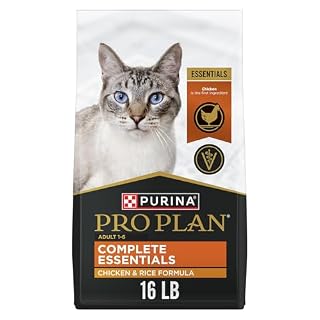
Several brands consistently receive high marks from veterinarians and cat parents. Royal Canin offers scientifically formulated options for various health needs and life stages. Blue Buffalo provides natural ingredients with no corn, wheat, or soy. Purina Pro Plan, despite being from a large company, has excellent nutritional profiles and veterinary recommended formulas.
For budget-conscious cat parents, brands like Fancy Feast and 9Lives offer decent nutrition at lower price points. Premium options include Instinct Raw Boost, which combines raw and kibble for optimal nutrition. Whenever switching cat foods, do so gradually over 7-10 days, mixing increasing amounts of the new food with the old to prevent digestive upset.
Recommended Cat Food Products
Top-Rated Cat Foods


Special Dietary Needs
Some cats require specialized diets for health reasons. Weight management formulas with reduced calories help obese cats achieve healthy weight. Prescription diets address specific conditions like kidney disease, diabetes, or urinary issues. Cats with allergies may need limited ingredient diets with novel proteins like duck or venison. Always consult with your veterinarian before switching to a prescription or therapeutic diet, as these often require professional assessment to ensure they're appropriate for your cat's specific condition.
Hydration is critical for all cats but especially important for those with kidney disease or urinary issues. Increasing wet food intake or providing a cat water fountain can help maintain proper hydration. Some cats prefer running water and will drink more if offered via a fountain.