Best Wet Cat Food for Indoor Cats: Complete Guide to Feline Nutrition
Indoor cats have different nutritional needs than their outdoor counterparts. They spend most of their time indoors in a controlled environment with less physical activity, making proper diet even more critical for maintaining healthy weight and preventing common indoor cat health issues. Wet food is particularly beneficial for indoor cats because it provides hydration, supports kidney health, and helps prevent obesity through better portion control and satiety.
Why Wet Food Is Ideal for Indoor Cats
Wet cat food offers numerous advantages for indoor felines. The high moisture content (typically 75-80%) helps keep indoor cats properly hydrated since many cats have naturally low thirst drives. This is especially important for preventing kidney disease and urinary tract problems, which are more common in indoor cats than outdoor cats. Additionally, wet food is more nutrient-dense and satisfying than dry kibble, meaning smaller portions provide complete nutrition and help prevent overeating and weight gain.
Indoor cats benefit tremendously from the palatability of wet food, which encourages consistent eating and supports nutrient absorption. The aroma and texture of quality wet food also stimulates their natural hunting instincts even while eating in a domestic setting. Many premium wet foods include added taurine and other essential nutrients specifically formulated for indoor cat health.
Reading Wet Food Labels: What Matters Most
When selecting wet cat food, focus on several key factors. The first ingredient should be a named meat protein like chicken, beef, turkey, or fish. Avoid foods listing "meat by-products" or "meat meal" as primary ingredients. Look for foods stating crude protein content of at least 8-10% on a wet basis (or 30%+ on a dry matter basis when accounting for moisture content).
Check for added taurine, which is essential for indoor cats and cannot be synthesized from plant-based ingredients. Examine the guaranteed analysis for magnesium content, as high magnesium can contribute to feline lower urinary tract disease (FLUTD). Avoid foods with excessive fillers, corn, wheat, soy, or artificial additives. Premium wet foods often include probiotics and digestive enzymes that support healthy digestion and nutrient absorption.
Feeding Strategies for Indoor Cats
Indoor cats typically require fewer calories than outdoor cats since they are less active. An average adult indoor cat weighing 10 pounds needs approximately 200-250 calories daily. Most quality wet foods provide 70-100 calories per 3-ounce can, making portion management straightforward. Feed adult indoor cats twice daily with meals spaced 8-12 hours apart to support stable metabolism and energy levels.
Monitor your indoor cat's weight regularly and adjust portions based on body condition. Overweight indoor cats face elevated risk of diabetes, arthritis, and other serious health conditions. If your cat is overweight, work with your veterinarian to determine appropriate portion sizes and calorie targets. Senior indoor cats over age 7 may benefit from three smaller meals daily to support aging digestive systems and changing metabolism.
Top Wet Food Options for Indoor Cats
Several brands excel at providing optimal nutrition for indoor cats. Royal Canin Indoor Adult offers scientifically formulated recipes addressing indoor cat-specific needs including digestive health and hairball management. Blue Buffalo provides grain-free options with natural ingredients and added probiotics. Purina Pro Plan includes prescription-quality formulas developed with veterinary nutritionists.
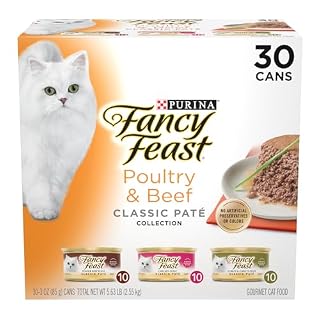
Premium Wet Cat Foods

Addressing Common Indoor Cat Health Concerns Through Diet
Obesity is the most common health issue in indoor cats, making calorie-appropriate wet food crucial. Wet food's satiety-promoting properties help indoor cats feel satisfied with appropriate portions, naturally preventing overeating. For indoor cats prone to hairballs, select wet foods with added fiber or specially formulated hairball control formulas that support healthy digestion and coat condition.
Indoor cats also benefit from wet foods supporting urinary health, featuring controlled mineral content and added ingredients supporting kidney function. If your indoor cat has specific health concerns like sensitive digestion, allergies, or urinary issues, your veterinarian can recommend prescription wet food options providing targeted nutritional support.