Best Cat Water Fountain: Encouraging Hydration for Kidney Health
Many cats have naturally low thirst drives, predisposing them to dehydration and associated urinary and kidney problems. Cat water fountains encourage drinking through running water appeal and continuous water circulation. Studies show cats with fountain access drink significantly more water than those using static bowls, reducing risk of urinary tract disease, kidney problems, and other dehydration-related health issues. A quality water fountain is an effective, affordable preventive health tool for cat owners.
Why Cats Prefer Running Water
In the wild, cats instinctively prefer running water over standing sources, as moving water is fresher and safer from contamination. Domestic cats retain this preference even when provided with clean bowls. Fountains mimic natural running water, triggering instinctive preference for flowing sources. This preference makes fountains an effective way to increase water intake without changing the water itself.
Types of Water Fountains
Pump-driven fountains continuously circulate water through filters, maintaining freshness while creating flowing streams or cascades. These work well for most cats. Gravity-fed fountains rely on water weight rather than pumps, with less noise but less water circulation. Both types effectively encourage drinking when maintained properly.
Consider fountain design, as some cats prefer shallow bowls allowing easy drinking, while others enjoy higher fountains with cascading streams. Stainless steel fountains are durable and hygienic; ceramic fountains are beautiful but can crack. Plastic fountains are lightweight but can scratch and harbor bacteria if not regularly cleaned.
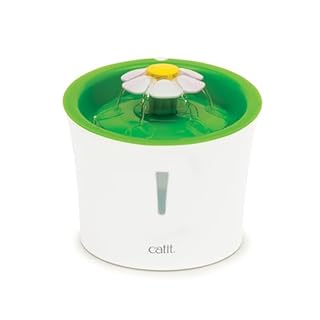
Cat Water Fountains

Maintenance and Hygiene
Water fountains require more cleaning and maintenance than bowls. Clean the pump, tubing, and basin every 2-3 days to prevent bacterial and mold growth. Replace water and clean the reservoir 2-3 times weekly. Clean or replace filters regularly, following manufacturer recommendations. Many cats refuse to drink from neglected, algae-covered fountains.
Fountain cleanliness significantly impacts drinking appeal and water quality. Make maintenance easy by selecting fountains with removable, cleanable parts. Some fountains include filters capturing debris, extending times between deep cleaning. Establish regular maintenance routines ensuring consistent fountain cleanliness.
Encouraging Fountain Use
Place the fountain in a calm, accessible location away from litter boxes. Some cats initially ignore fountains; don't assume rejection after one glance. Leave the fountain running continuously for several days, allowing your cat to discover it independently. Some cats need time to adjust to the novelty and sound of running water.
If your cat shows continued disinterest, position the bowl where you know your cat likes to drink. Add ice cubes to the water increasing visual interest. Some cats respond better to different fountain types; experiment if initial fountains don't work. Most cats eventually use fountains once accustomed to them.
Fountain Benefits for Urinary Health
Increased water intake through fountain use reduces concentration of urine, lowering risk of urinary crystal formation and urinary tract infection. Cats prone to kidney disease benefit significantly from increased hydration supporting kidney function. Diabetic cats often drink more water; fountains ensure access to fresh water supporting this increased intake.
For cats with history of urinary problems, water fountains are preventive health tools worth the modest investment. Combined with wet food diet providing additional hydration, fountains dramatically reduce urinary and kidney disease risk in many cats.
Troubleshooting Common Issues
If your cat knocks the fountain over, select more stable models or place weight on the base. If your cat misses and splashes water everywhere, place fountains on water-resistant surfaces like bathroom rugs or in easy-to-clean areas. Some cats enjoy playing in fountains; redirect this behavior by providing play areas away from the fountain.
If fountains fail or stop working, check pump function and water level. Replace batteries if required. Clean internal parts where mineral deposits might clog the pump. Quality fountains with good customer support offer replacements or repairs if mechanical problems develop.
Budget Pick: Amazon Basics Pet Water Fountain
Price: ~$29 (checked August 2026)
The catch first: the pump needs a rinse every week or two, and you'll want the matching 6-pack replacement filters rather than improvising. Skip it if you want a fountain you never think about.
If you just want to test whether your cat will actually drink from a fountain before spending more, this is the low-risk way in. Stainless steel top (easier on cats prone to chin acne than plastic), quiet pump, and a large tank that a single cat won't empty in a weekend. At around $29 it costs less than most vet visits for dehydration-related issues it helps prevent.