Best Cat Litter for Odor Control: Comprehensive Guide to Fresh Boxes
Cat litter odor is one of the biggest challenges for indoor cat owners, affecting home quality of life and guest comfort. Choosing litter specifically formulated for odor control can dramatically improve your living environment while supporting your cat's litter box satisfaction. Understanding different litter types, their odor-control mechanisms, and your cat's preferences helps you find the perfect solution for your household.
Understanding Litter Odor and Control Mechanisms
Cat litter odor primarily comes from ammonia produced as urine breaks down and bacterial growth in used litter. Different litter types employ varying odor-control strategies. Clay litters use absorbent properties to trap moisture and odors within the litter. Natural litters use pine, corn, or paper materials with inherent antimicrobial properties. Activated carbon litters actively neutralize odor molecules. Crystal litters absorb moisture, preventing ammonia formation.
The most effective odor control combines moisture absorption, bacterial inhibition, and regular scooping. No litter performs optimally if litter boxes aren't scooped daily and completely changed weekly. Odor control is a team effort between quality litter, frequent maintenance, and proper litter box placement in well-ventilated areas.
Comparing Litter Types for Odor Control
Traditional clay litter remains popular for odor control through absorption and clumping ability. Quality clay litters with additives often incorporate baking soda or activated charcoal for enhanced odor neutralization. Premium clay litters produce less dust and offer better odor control than budget brands.
Natural litters made from pine, corn, or paper offer excellent odor control through inherent antimicrobial properties and moisture absorption. Pine litter particularly excels at odor control due to natural pine oils with antibacterial properties. Wheat and corn-based litters provide good clumping and odor control while being biodegradable and environmentally friendly.
Crystal litters offer superior moisture absorption and odor control but produce more dust and can feel uncomfortable to some cats. These work best for households with multiple cats or in areas with low humidity. Some cats strongly prefer or dislike crystal texture, so trial periods are recommended.
Top-Rated Odor Control Litters
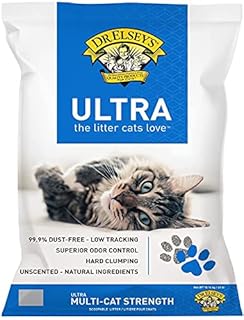
Dr. Elsey's Premium is specifically formulated for odor control with activated charcoal and plant-based additives creating excellent moisture absorption and ammonia neutralization. PrettyLitter offers health-monitoring features alongside superior odor control through crystal-based composition. Arm & Hammer specialty litters incorporate baking soda throughout for ongoing odor neutralization throughout the litter box.
Odor Control Litter Options

Maximizing Odor Control Through Best Practices
Litter box location dramatically affects perceived odor. Place boxes in well-ventilated areas away from living spaces if possible. Bathroom corners with open doors or basement areas work well. Ensure adequate air circulation to prevent odor concentration. Using air purifiers specifically designed for litter box odor can significantly reduce household odor even with quality litter.
Litter depth affects odor control effectiveness; typically 2-3 inches of litter provides optimal absorption and clumping. Deeper litter increases odor absorption but reduces litter lifespan. Shallower litter requires more frequent changes. Daily scooping removes soiled litter before odor compounds accumulate. Complete weekly litter changes ensure you start fresh and eliminate built-up odor.
Finding Your Cat's Perfect Litter
Cats can be particular about litter texture, dust, and scent. Introducing a new litter gradually by mixing increasing amounts with current litter over 7-10 days helps your cat adjust. Provide multiple boxes with different litter types simultaneously to identify your cat's preference. Some cats prefer unscented litter, finding heavy perfumes off-putting.
Track which litters control odor best in your household environment. Humidity, temperature, and ventilation affect litter performance. A litter working perfectly for one household might underperform in another with different conditions. Being willing to test multiple options helps find the ideal solution for your specific situation and cat's preferences.
The Box Matters Too: Amazon Basics Hooded Litter Box
Price: ~$41 (checked August 2026)
No litter wins the odor fight inside the wrong box. An open pan lets smell drift no matter what you fill it with.
If you've upgraded the litter and the room still smells, a hooded box with a swinging door and carbon filter is the missing half. This one runs about $41. Limitation: some cats refuse hoods entirely, so leave the door off for the first week and let your cat vote.